About the Journal
Welcome to the English Education and Applied Linguistics Journal (EEAL Journal)!
The English Education and Applied Linguistics Journal (EEAL Journal) serves as a pivotal platform for scholarly discourse at the intersection of English education and applied linguistics. Its mission is to disseminate insightful, research-driven solutions to salient challenges within the domain of English language teaching and learning. Published triannually in March, August, and December, the journal provides a global forum for educators and researchers to engage with the dynamic landscape of second and foreign language pedagogy. Embracing diverse theoretical frameworks and practical applications from international contexts, EEAL Journal prioritizes theoretically robust contributions that offer tangible implications for language education.
EEAL Journal invites original research and conceptual manuscripts that effectively synthesize theoretical depth with practical applicability, catering to a broad audience of academics, educators, and practitioners. Committed to upholding rigorous standards of scholarly excellence, the journal employs a meticulous peer-review process to ensure the quality and impact of all published work. By providing a venue for exploring innovative methodologies and critically analyzing pertinent issues in language education, EEAL Journal aims to advance both the theoretical understanding and practical implementation of English language teaching and applied linguistics, fostering a global dialogue within the field.
Current Issue
Vol. 8 No. 3 (2025): December (EEAL Journal)
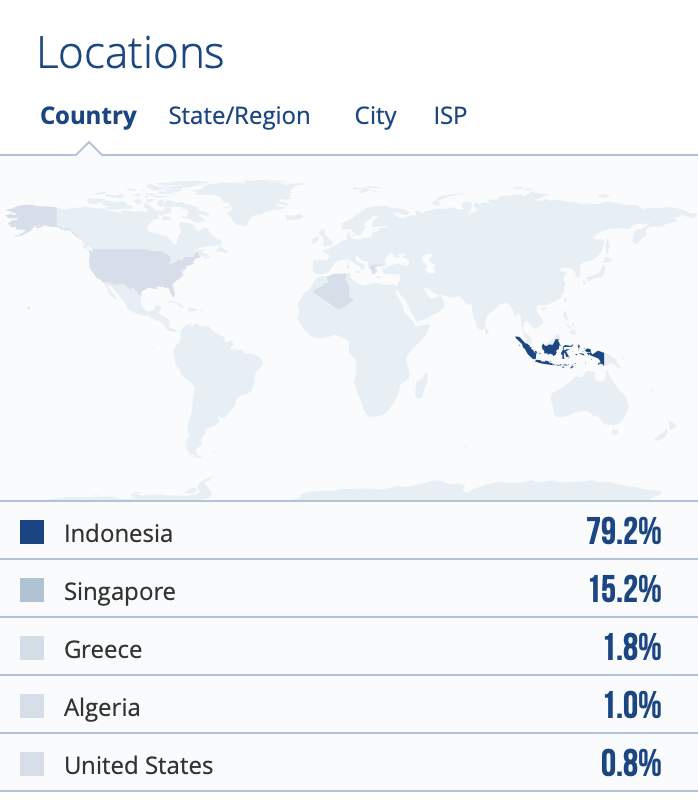
The authors in this number are from Indonesia, Vietnam, and Ghana.
This issue presents a selection of studies in English language teaching and literary analysis within EFL contexts. The articles highlight innovative strategies and key factors influencing language learning.
The first article examines teachers’ roles in promoting learner autonomy in writing among 10th-grade students. The second investigates the effectiveness of the Flower Writing Strategy in improving vocational students’ writing skills. The third and fourth articles focus on reading comprehension, exploring the use of the Snowball Throwing Technique and Story Face Strategy to enhance students’ understanding of texts.
Additionally, one study analyzes students’ motivation in learning English, emphasizing the role of intrinsic and extrinsic factors. The final article offers a literary analysis of Lenrie Peters’ The Panic of Growing Older, focusing on its symbolic and didactic elements.
Overall, this issue provides practical and theoretical contributions to English education and literary studies, particularly in EFL settings.
Published:
2025-12-31